Malaysia Market Update: What’s Driving Demand for Boom Lifts Across Construction, Warehousing & Maintenance
Boom lifts are no longer “nice-to-have” access equipment in Malaysia—they’re becoming a default choice for many height-related tasks where reach, positioning, and productivity matter. For procurement teams and fleet managers, the market signal isn’t only about buying or renting more machines; it’s about building dependable uptime capability: the right configuration for each site, the right maintenance rhythm, and the right spares strategy to keep crews working.
This market update looks at what’s driving demand for boom lifts across construction, warehousing/logistics, and maintenance operations. Because your real cost is rarely the hourly rate or purchase price—it’s the hidden downtime cost when a platform is idle for a small electrical fault, a worn tire, a joystick issue, or a hydraulic leak. That is where parts availability, technical identification support, and fast local delivery become operational advantages, not “after-sales extras.”
Throughout the article, we’ll connect demand drivers to practical decisions: what types of boom lifts are being deployed, what failure points show up most often in field conditions, and how to plan a fleet support model that scales. If you’re responsible for controlling downtime, you’ll also see why “Boom Lift Parts Malaysia” is increasingly searched and discussed at the procurement level—not only by workshops.
1) Why boom lifts are being chosen more often (beyond “working at height”)
Boom lifts solve a set of constraints that many Malaysian sites experience at the same time: limited ground access, the need to reach over obstacles, and the need to reposition quickly without re-building temporary access. In practice, demand tends to rise when end users face tighter schedules and more mixed trades working concurrently.
Key operational reasons boom lifts get preferred:
- Outreach over obstructions: Articulating booms reach up-and-over awnings, racking, canopies, and building setbacks where scaffolding or vertical access struggles.
- Fewer “set up” interruptions: A boom lift can often replace repeated ladder moves or temporary access adjustments for the same job scope.
- Better job planning: Facilities and contractors can schedule short, repeatable tasks (inspection, lighting, signage, M&E checks) without site build-out.
- Improved positioning: Small alignment needs—like placing a worker precisely at a façade corner—often drive users to booms over simpler alternatives.
From a fleet standpoint, the takeaway is that demand is driven by task mix and time pressure. When more jobs require reach plus rapid repositioning, boom lifts shift from specialist machines to everyday assets—especially in busy industrial corridors and urban commercial work where access constraints are common.
2) Construction: façade works, M&E installation, and the “reach-and-reposition” workload
Construction demand for boom lifts is shaped by the kinds of tasks that cluster late in a project: façade finishing, glazing touch-ups, external waterproofing, cladding adjustments, signage, and M&E works that must happen along edges, parapets, and overhangs. These tasks are often time-sensitive and interdependent; delays at height can block other trades.
Where booms fit particularly well:
- Façade access with setbacks: Reaching around structural elements or over site fencing without relocating scaffold sections.
- MEP and external services: Cable trays, exterior piping, fire systems, and high-level penetrations that require both height and horizontal reach.
- Steel and canopy works: Repetitive bolting, checking, and finishing where the platform must “float” between points.
Practical example: A contractor doing façade sealant repairs may need to access multiple elevation points across a long building face. A telescopic boom might provide the straight outreach required for long spans, while an articulating boom could handle “up-and-over” positions around protrusions. The equipment choice changes the parts-and-service exposure: a machine working continuously with frequent drive/steer inputs will stress control components differently than one doing mostly stationary elevation.
For procurement, construction demand also brings a predictable requirement: quick recovery from minor faults. On a busy site, losing a boom lift to a small issue—like a worn switch, damaged cable, or controller inconsistency—creates cascading delays. That’s why many contractors now evaluate not only machine availability, but also spare parts support for common wear-and-failure items (controls, sensors, electrical modules, hydraulic components, and tires).
3) Warehousing and logistics: high-level operations and tighter safety expectations
Warehousing and logistics facilities increasingly face a “high-level maintenance” workload: lighting, sprinkler checks, CCTV installation, signage, racking inspections, roof leaks, and gantry-related tasks. Even when scissor lifts are common for flat indoor floors, boom lifts become essential when the work area is obstructed by racking, conveyors, or stored goods and the technician must reach over and around.
Demand rises when warehouses run longer operating hours and cannot easily “clear zones” for access work. A boom lift can often approach from a safer aisle, reach over racking, and complete tasks with fewer disruptions to operations.
What this means for fleet managers:
- More indoor/outdoor mixed use: machines may move between loading bays, external canopies, and internal aisles.
- More frequent short jobs: repeated “go up, do a fix, come down, move” cycles increase wear on controls and drive systems.
- Higher sensitivity to tire choice: tire condition affects floor marking, traction near ramps, and stability perception among operators.
Because uptime expectations in logistics are high, the support model often shifts toward planned maintenance and ready-stock critical spares. This is where fast local fulfilment and accurate parts identification (model + serial-based confirmation) become purchasing criteria, not merely workshop convenience.
4) Maintenance and facility management: planned shutdowns, audits, and repeatable access needs
Facility management companies and engineering maintenance contractors typically plan work differently from construction teams. They prefer predictable access solutions that fit scheduled maintenance windows and compliance checks. Boom lifts play a major role in:
- Building façade inspections and repairs where outreach reduces the need for rope access in certain contexts.
- High-level M&E work such as AHU access, exhaust systems, ducting checks, and external piping routes.
- External lighting and signage tasks that must be repeated periodically.
In this environment, demand is driven by repeatability: the same building or plant may require access to the same points each quarter or each year. Once a boom lift model and reach profile is proven, the next constraint becomes service continuity: keeping that unit available and safe to operate during the planned window.
Actionable planning tip: If your maintenance work is scheduled (not reactive), treat parts and consumables as part of the schedule. Pre-confirm lead times for the items most likely to interrupt planned work—controls, sensors, chargers/batteries for electric units, and hydraulic seals/components. A one-day delay can cause a full rebook of labor, permits, and site access.
5) Product mix and deployment: articulating vs telescopic, electric/hybrid vs engine powered
Demand growth isn’t uniform across all boom lifts. The mix depends on site type, access paths, indoor vs outdoor operation, and reach patterns.
Articulating booms: the “up-and-over” workhorse
Articulating boom lifts are often selected when the worksite has obstacles: canopies, building setbacks, pipe racks, or equipment that blocks direct approach. Their joints and boom sections enable positioning the platform in tight spots, which suits many maintenance and retrofit tasks.
From a support perspective, articulating units can expose you to more frequent movement cycles and positioning, so control components (joysticks, switches), sensors, and harnessed cables become important spares categories to manage properly.
Telescopic booms: straightforward outreach and height
Telescopic boom lifts tend to be favored where long, direct reach is required—often on open sites or when the task line is relatively “straight out.” They can also be attractive when time-to-position matters and obstacles are minimal.
Support focus commonly includes hydraulic system health, wear items, and tires—especially if the machine is used on rougher surfaces or long travel paths.
Electric/hybrid vs engine powered: matching powertrain to site constraints
Choice of powertrain can reshape demand in urban sites and indoor-adjacent operations:
- Electric and hybrid articulating booms can suit mixed indoor/outdoor usage when ventilation and noise constraints matter.
- Engine powered booms can be preferred for heavy outdoor use, longer travel routes, and rough terrain where charging infrastructure or duty cycle is a concern.
Procurement implication: powertrain choice changes your parts strategy. Electric fleets need charging and battery readiness (including compatible chargers and connectors). Engine-powered fleets emphasize engine maintenance items and often face more dust/heat exposure at outdoor sites—impacting sensors, wiring, and cooling-related upkeep.
6) Downtime drivers in Malaysia: what commonly stops a boom lift from working
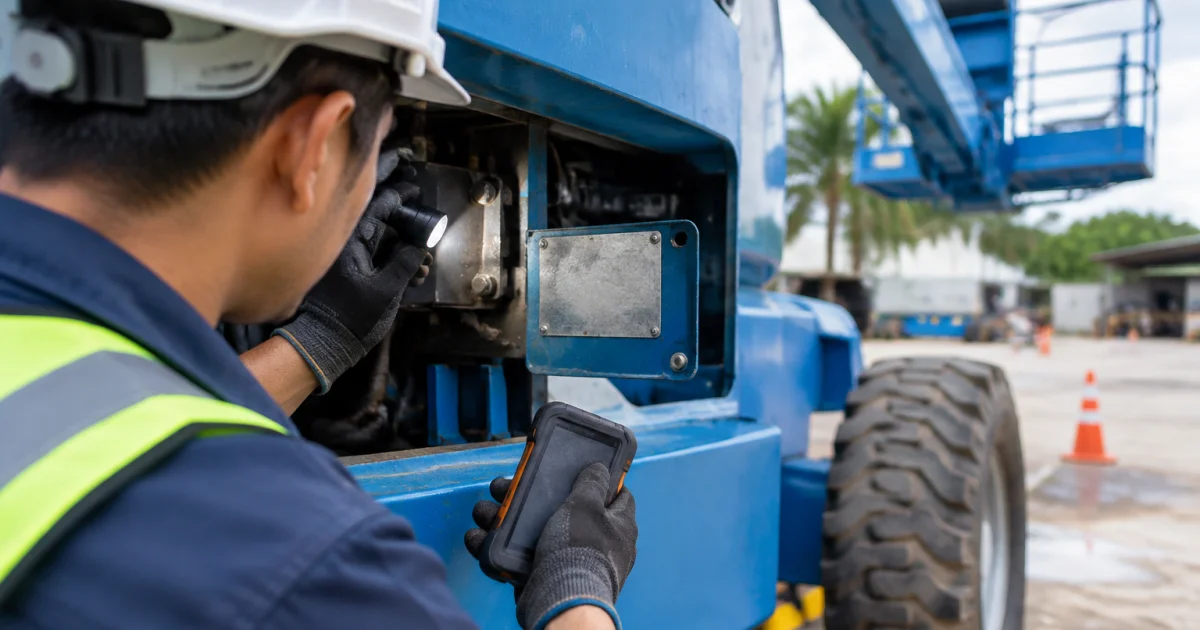
Most boom lift downtime events in real operations are not “catastrophic.” They are small, fixable issues that become expensive because the lift is unavailable when crews and site access are already arranged. Common downtime drivers include:
- Control and input problems: joystick drift, unresponsive switches, damaged control box components, or connector faults.
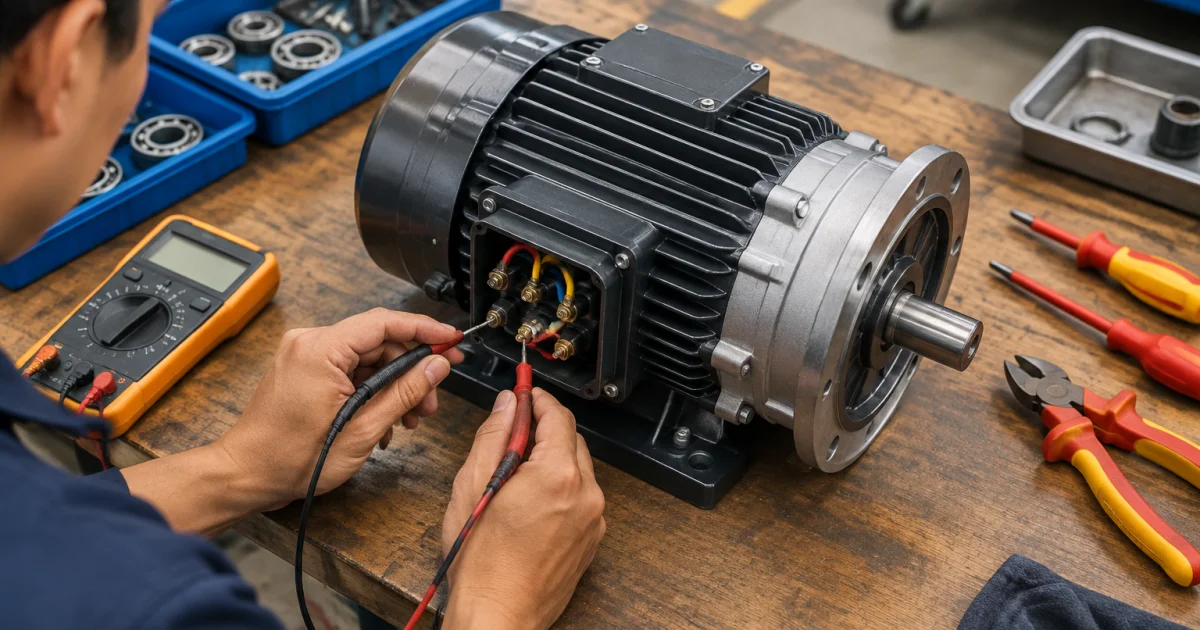
- Electrical and electronic issues: sensor faults, module/PCB failures, cable wear, poor contact points, and intermittent power.
- Hydraulic leaks or pressure issues: worn seals, pump/motor concerns, coil cartridges, and contaminated hydraulic components.
- Tires and wear parts: punctures, chunking, flat-spotting, tread wear, and floor-damaging failures that take a unit out of service.
- Charging and power problems (electric units): charger mismatch, battery degradation, or poor charging habits causing insufficient runtime.
These issues connect directly to how demand evolves. As more teams rely on boom lifts for critical tasks, they become less tolerant of “wait and see” maintenance. The market response is straightforward: higher demand for service-ready machines and the ecosystem that keeps them running—technical support, accurate parts identification, and local stock for high-turn items.
Practical example: A boom lift used for façade lighting replacement may do dozens of small drive/elevate cycles per shift. That duty cycle stresses joystick and control components more than a lift used for one long stationary job. Stocking a compatible joystick/controller option and knowing how to verify part numbers by serial can turn a multi-day delay into a same-day recovery.
7) Parts and support strategy: what procurement teams should stock vs order as needed
With boom lift usage expanding across industries, procurement teams are increasingly asked to define a rational spares policy. The goal isn’t to store every part; it’s to stock the items that most often block the machine from returning to service quickly.
Build a “critical spares” list based on failure impact
Start with parts that are both (1) common failure points and (2) high impact when unavailable:
- Joysticks and control components: controllers, switches, control box parts that directly affect operability.
- Sensors and electrical items: sensors, connectors, cables, and selected modules/PCB boards tied to frequent fault codes.
- Hydraulic components: pumps, motors, coil cartridges, and sealing-related items that can ground a machine due to leakage or performance issues.
- Tires and wear parts: especially if your operation moves across mixed surfaces or relies on frequent driving.
- Battery chargers and batteries: for electric fleets where charging failure immediately reduces availability.
The point is not brand-specific stocking at first—it’s availability of the categories that cause the longest downtime when a lift fails pre-start checks or throws a fault mid-job.
Use model/serial-based parts identification to prevent wrong orders
Ordering the wrong part is a hidden cost: extra freight, extra troubleshooting time, and sometimes a misdiagnosis that delays the real fix. Because many boom lift models have variants, serial-number verification is crucial—especially for electrical and control parts where revisions matter.
When you engage a supplier, prepare a simple internal checklist:
- Machine brand and model (e.g., JLG, Genie, Haulotte, Manitou, Skyjack, Dingli)
- Serial number
- Symptom description + fault code (if available)
- Photos of labels/connectors where safe to capture
- Whether you need genuine or quality aftermarket options
This process reduces repeat ordering and supports faster diagnosis, which is the real driver of uptime.
Align spares strategy to jobsite geography and delivery needs
If you have a fleet concentrated in the Klang Valley with frequent redeployment, faster local delivery can reduce the need to stock deep inventory. If you operate across multiple states with time-critical dispatch, you may benefit from holding a slightly broader set of spares on-site or at a central workshop.
In other words, parts planning should reflect where your lifts work, not just what they are.
8) How boom lift demand affects mixed fleets: scissor lifts, drive motors, and shared maintenance capability
Most organisations don’t operate boom lifts in isolation—they manage mixed fleets that include scissor lifts and sometimes vertical lifts. As boom lift utilisation increases, maintenance teams often standardise processes across the fleet: inspection checklists, battery/charging practices, tire policies, and control troubleshooting routines.
That standardisation naturally increases cross-category parts demand. For example, teams that strengthen their parts readiness for booms often review their scissor lift downtime drivers too—especially traction and drive-related issues. It’s common for workshops to concurrently evaluate items like a Scissor Lift Drive Motor Malaysia replacement strategy while improving boom lift uptime, because both asset types may share similar operational pressure: frequent driving, tight schedules, and limited tolerance for delays.
Actionable checklist for mixed-fleet procurement:
- Unify consumables policy: tires and wear parts aligned to site surfaces (indoor floors vs rough terrain).
- Standardise electrical troubleshooting: connectors, harness care, and fault documentation.
- Plan controls support: keep at least one compatible joystick/control component route per major brand family in your fleet.
- Document charger compatibility: reduce avoidable downtime from wrong chargers or inconsistent charging practice.
This is also why brand coverage matters. Mixed fleets commonly include units from JLG, Genie, Haulotte, Manitou, Skyjack, and Dingli. A parts partner that supports multi-brand compatibility can reduce the administrative burden on procurement and shorten the path from issue to resolution.
Useful next reads and product categories
If you’re planning boom lift deployment and support, these pages can help you navigate machine types and related maintenance decisions:
- Browse boom lifts and related categories to map common configurations to your job profiles.
- Articulating boom lift category for “up-and-over” applications common in maintenance and retrofit work.
- Telescopic boom lift category for straightforward outreach needs in open-site work.
- Electric/hybrid articulating options for mixed indoor/outdoor constraints and planned facility tasks.
- Engine powered articulating options for outdoor and higher-duty cycles where refuelling is simpler than charging.
Conclusion: demand is rising, and uptime capability is the differentiator
Across construction, warehousing/logistics, and facility maintenance, boom lift demand in Malaysia is increasingly driven by practical realities: constrained access, tighter schedules, repeatable maintenance needs, and the high cost of interruptions. For procurement teams and fleet managers, the most important shift is that boom lifts are moving closer to “mission-critical” status in many operations.
That shift changes what good purchasing looks like. It’s no longer only about choosing the right reach and powertrain. It’s about ensuring your fleet can stay productive: correct parts identification, a planned stock list for high-impact items (controls, electrical, hydraulics, tires, chargers), and a support partner that can help you get the machine back to work quickly when issues arise.
If you’re evaluating deployment or expanding a fleet, build your next plan around uptime—from operator workflow to parts readiness—because the market is rewarding the teams that can finish jobs without waiting for a small component to arrive.
Frequently Asked Questions
What’s driving boom lift demand across Malaysia right now?
Demand is being pulled by practical jobsite needs: more “reach-and-reposition” work in construction (façade, M&E, external finishing), more high-level tasks in warehouses (lighting, racking, sprinkler/CCTV), and more scheduled facility maintenance where repeat access points must be reached quickly. As boom lifts become mission-critical, buyers also prioritise uptime support—parts availability, correct identification by model/serial, and fast delivery.
Which is better for my site: an articulating or telescopic boom lift?
Choose based on access constraints. Articulating booms suit “up-and-over” work around obstacles such as canopies, setbacks, and pipe racks. Telescopic booms suit more direct outreach and open sites where you need straight reach and speed-to-position. Many fleets carry both types and assign them by job profile rather than by brand alone.
What parts most commonly cause boom lift downtime?
Common downtime drivers include control and input components (joysticks, switches), electrical items (sensors, connectors, wiring and some PCB/module issues), hydraulic problems (leaks, pumps/motors, cartridges), and tires/wear parts. Electric units also face downtime from charger or battery issues. A critical-spares list focused on these categories helps minimise out-of-service time.
How can we avoid ordering the wrong boom lift spare part?
Use model- and serial-based identification and document the symptom clearly. Provide the machine brand, model, serial number, fault code (if shown), photos of labels/connectors where safe, and whether you want genuine or quality aftermarket options. This reduces revision mismatches—especially for electrical and control components.
Do you supply scissor lift drive motors in Malaysia too?
Yes. Many organisations run mixed fleets, so support often extends beyond boom lifts. SSL Access Parts supplies scissor lift spare parts and can help identify the correct drive motor using your scissor lift model and serial number, aligned to your maintenance and downtime-reduction needs.
Keep your boom lifts working with SSL Access Parts
If your teams rely on boom lifts across construction, warehousing, or facility maintenance, downtime usually comes down to small components: controls, sensors, hydraulic parts, tires, or charging equipment. SSL Access Parts supports multi-brand fleets with genuine and quality aftermarket options, parts identification using model and serial number, and fast local fulfilment to help you restore equipment quickly.
Share your machine details and the symptom or fault code, and we’ll help you identify the right replacement part and support a practical spares plan for your operation.
Disclaimer Statement:
We hope you found this article helpful. Our content is intended for general informational purposes only and does not constitute advice or necessarily reflect the full range of services offered by SSL Access Parts Sdn. Bhd. While we strive to provide accurate and up-to-date information, we recommend consulting with an expert or referring to the manufacturer’s guidelines for specific advice or repairs. Any use of the equipment mentioned should comply with safety standards and regulations. SSL Access Parts Sdn. Bhd. is not liable for any actions based on the information provided and cannot guarantee the absence of errors or omissions.