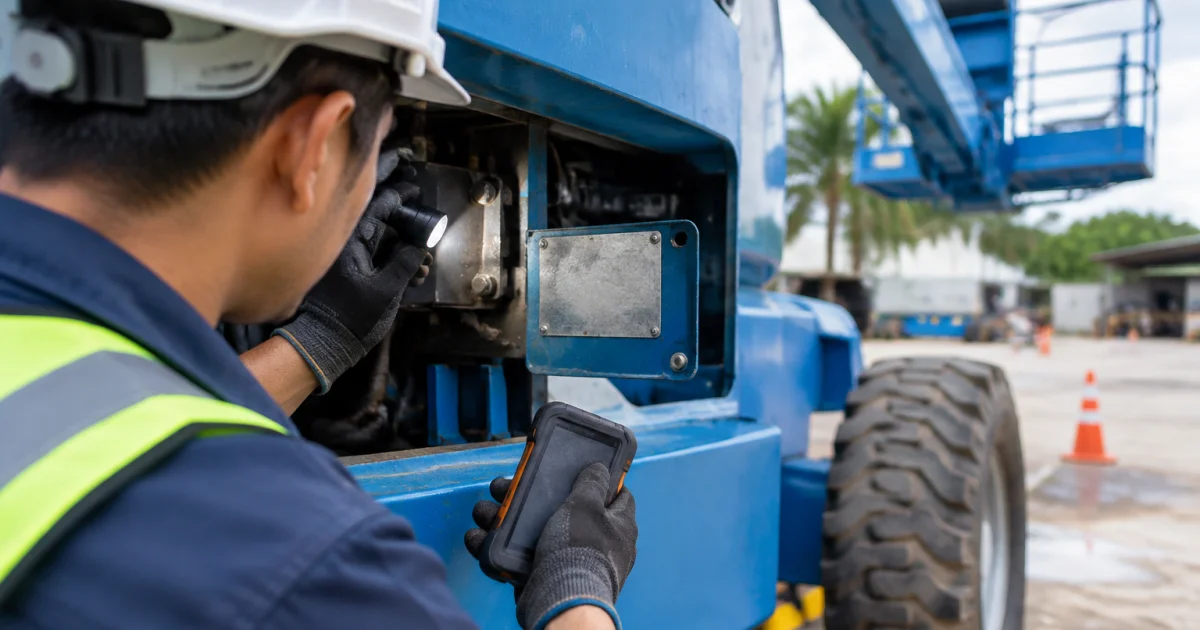
Service Bulletin Roundup: Hydraulic System Maintenance Themes Seen in Malaysian Scissor Lift Fleets
Hydraulic failures on scissor lifts in Malaysia are rarely truly “random.” Most repeat downtime comes from familiar patterns: contaminated oil that wears pumps and valves, heat and heavy duty cycles that shorten seal life, hose routing that abrades through, and control/electrical issues that get mistaken for major hydraulic faults.
This service bulletin-style roundup isn’t a brand directive. It distills common workshop and fleet learnings into practical actions: what to inspect, what to record, what to stock, and how to avoid replacing the wrong component when a lift comes in with slow lift, drift, noise, or overheating.
Theme 1: Contamination control is the root cause behind many repeat repairs
Many “pump failures” start as contamination issues that only reach the pump last. In compact scissor lift circuits, small amounts of dirt, degraded oil, or water can score valve spools, stick cartridges, and accelerate pump wear—showing up as weak, slow, noisy, or inconsistent functions.
Typical contamination paths include poor top-up handling, missing/damaged breathers, loose reservoir lids, compromised filters, and cylinder seal wear shedding particles. Workshop cross-contamination (shared funnels/containers) is another common source.
Practical maintenance priorities
- Standardize fluid handling: dedicate clean, labeled containers and funnels for hydraulic oil only.
- Inspect reservoir breathers and caps: damaged/missing breathers invite moisture and dirt in humid conditions.
- Apply filter discipline: replace on schedule and after major failures (pump, motor, cylinder).
- Use quick condition checks: dark oil, burnt smell, foaming, or milky appearance should trigger investigation and documentation.
When contamination is suspected, treat it as a system issue. Swapping a pump without addressing oil condition and filtration often leads to fast repeat comebacks in high-use fleets.
Theme 2: Heat and duty cycle drive seal wear, drift, and performance loss
Malaysia’s ambient heat plus frequent start-stop rental duty cycles speed up viscosity breakdown and seal hardening. As oil thins and components warm, internal leakage can rise—appearing as platform drift, reduced lift speed when hot, or relief valve chatter.
Overheating isn’t always “bad hydraulics.” Common drivers include holding functions against relief, restricted filters/lines, blocked coolers (if fitted), or mechanical drag that loads the system. On electric scissor lifts, weak batteries and voltage drop can mimic a failing hydraulic power unit.
Practical checks that catch heat-related issues early
- Replicate the fault hot: warm the unit with controlled cycling, then re-check speed, noise, and drift.
- Watch for repeated relief operation: it creates heat and often indicates misuse or a control fault.
- Check for restrictions: clogged filters, kinked hoses, or partially closed manual valves reduce performance and raise temperature.
- Include power checks on electric units: verify battery voltage under load and charger condition before condemning hydraulics.
Make “hot performance” a standard condition in inspection sheets so machines aren’t signed off based only on cold tests.
Theme 3: Hose routing, abrasion, and fittings are recurring downtime triggers
Hoses flex through the scissor stack and base compartment. After repairs, missing clamps, incorrect routing, or worn sleeves quickly become leaks under repetitive cycling. Even small leaks can introduce air, cause foaming, and create inconsistent lift response; major hose failures can lead to unplanned downtime, cleanup, and secondary damage if the system runs low.
Most hose-related “bulletin themes” come down to controlling movement and eliminating contact points near pivots, scissor arms, and base edges. Fitting leaks commonly trace to overtightening, mixed thread standards, or damaged sealing surfaces being reused.
Practical hose and fitting program
- Inspect at full range: check hoses fully lowered and fully raised; rub points change across the stroke.
- Replace sleeves and clamps: treat them as required, not optional.
- Tag and date hoses: track repeat failures and identify problem routing locations.
- Standardize fitting practices: train techs on sealing types and correct tightening to avoid mismatches and damaged seats.
Keep low-cost consumables (sleeves, clamps, common seals) on hand to turn hose issues into same-shift repairs.
Theme 4: Pumps, motors, and valves—diagnose to avoid the wrong replacement
Performance complaints often get labeled “pump issue,” but many are valve, solenoid, relief-setting, or electrical control faults. Build a repeatable diagnostic path and require technicians to record key observations before ordering major components.
True pump wear tends to present more consistently: increased noise, reduced flow under load, faster heat rise, and metal contamination. Confirm those signs rather than assuming. On mixed fleets (JLG, Genie, Dingli, Skyjack, Haulotte, Manitou, and others), standardize diagnostic logic even if specs and test ports differ.
A practical decision tree for workshop leads
- Start with basics: oil level/condition, filter status, obvious leaks, hose kinks, reservoir breather condition.
- Confirm power input: on electric units, verify batteries/charger and voltage under load.
- Check valve/control symptoms: intermittent loss, jerky motion, or inconsistent hold often suggests sticking valves or electrical issues.
- Look for contamination evidence: inspect filters and oil condition (and magnetic plugs if fitted) before installing a new pump.
Support procurement with clear notes: model, serial, symptoms, checks performed, and contamination findings. This reduces wrong orders and speeds supplier support.
For teams sourcing Scissor Lift Hydraulic Pumps Malaysia, avoid treating a pump as a generic item. Correct selection depends on model, voltage/system configuration, mounting, port orientation, and—in many units—integration within the hydraulic power pack.
Theme 5: “Small” supporting parts (seals, sensors, controls) often decide whether a hydraulic fix lasts
Reliable hydraulics depend on more than the pump. Seals, O-rings, cartridges/coils, sensors, and electrical controls often determine whether a repair holds—or returns with the same complaint.
Common examples: a suction-side air leak (loose clamp, hardened seal) causes foaming and noise that can be misread as pump cavitation; weak switches, joystick faults, or control boards can create “hydraulic-like” symptoms (slow function, no lift, intermittent movement). Reduce misdiagnosis by pairing hydraulic checks with electrical verification as one workflow.
What to stock for faster hydraulic turnarounds
- Common seals and O-rings used on service points and fittings (matched to your fleet).
- Filter elements and reservoir breathers/caps where applicable.
- Selected solenoid coils/cartridges that are known wear items in your units.
- Control components commonly used in troubleshooting (switches, joysticks, key modules based on history).
Align spares to your most common machine families (for example, core Genie GS or JLG ES groups) to compound uptime gains.
Putting the roundup into action: a simple monthly hydraulic reliability routine
Turn these themes into results with a routine that’s easy to execute and hard to skip. The aim isn’t to inspect everything—it’s to focus on the recurring triggers found in your workshop logs.
Suggested monthly routine for fleet supervisors
- Oil and filter discipline: confirm intervals are followed; flag machines with repeat contamination.
- Hose and abrasion sweep: inspect high-movement hoses at full raise/lower; restore clamps and sleeves immediately.
- Hot test spot checks: sample a few units monthly and test warm for drift, speed loss, and abnormal noise.
- Leak log review: classify leaks (fitting, hose rub, cylinder seal, manifold) and identify repeat locations.
- Parts feedback loop: track wrong orders/returns and refine your identification checklist (model, serial, photos, port orientation).
Even a lightweight routine helps you predict whether the next downtime risk is more likely contamination, heat-related leakage, hose abrasion, or genuine component wear.
Useful next reads and parts resources
If you’re aligning maintenance with faster parts availability, these links can help you move from diagnosis to ordering with fewer delays:
- Scissor lift parts category for commonly replaced items across scissor lift models.
- 00177100 Hydraulic Motor (Genie GS scissor lift) as an example of matching a hydraulic drive component to the correct machine.
- 00178100 Hydraulic Brake (Genie GS scissor lift) for fleets that see brake/hold-related needs alongside hydraulic work.
- Dingli 00000689 battery charger (24V 30A) to support correct power input during troubleshooting.
- Genie 105739 battery charger (24V 25A) for charger replacement when low-voltage issues mimic hydraulic weakness.
Conclusion: treat hydraulic failures as patterns, not surprises
The best “service bulletin” value for fleet supervisors is pattern recognition. In Malaysian scissor lift fleets, repeat themes are consistent: contamination control, heat and duty-cycle effects, hose routing/abrasion, and disciplined diagnosis that separates pump wear from valve or electrical control faults. Build routines around these patterns, support them with the right spares, and use a clear parts identification process to reduce comebacks and shorten downtime.
To speed up hydraulic turnarounds further, standardize inspection checklists and use a parts request template that includes model/serial details, photos, and checks already performed. That alone can cut wrong orders and keep more machines working.
Frequently Asked Questions
How do I know if a scissor lift hydraulic pump is failing or if it’s a valve/control issue?
Start with system basics (oil level/condition, filter, leaks, restrictions) and confirm electrical power on electric units. Intermittent symptoms, jerky motion, or functions that come and go often point to sticking valves or control/electrical faults. Consistent noise, heat rise, and reduced performance under load—especially alongside contamination evidence—more strongly suggests pump wear.
What information should I provide when ordering hydraulic parts for a scissor lift in Malaysia?
Provide the machine brand, model, and serial number, plus clear photos of the part and its mounting/ports if possible. Include the symptom (slow lift, drift, noise, overheating), what checks were done (filter, oil condition, battery/charger on electric units), and any contamination findings. This helps the supplier match the correct pump/motor/valve variant and reduces wrong orders.
Why do hydraulic hoses on scissor lifts fail repeatedly in fleets?
Repeat hose failures usually come from abrasion and movement: missing clamps, damaged protective sleeves, or routing that allows rubbing through the scissor mechanism or base edges. Hoses should be inspected at full raise and full lower because contact points change across the stroke. Fixing routing and protection is often more effective than just replacing the hose.
Can battery or charger problems look like hydraulic pump problems on electric scissor lifts?
Yes. Low voltage under load can make the hydraulic power unit run weak, slow, or inconsistent, which can be misdiagnosed as a hydraulic fault. As part of your workflow, check batteries and charger health first, then move to hydraulic checks like filters, restrictions, and valve behavior.
What spare parts should a rental or owner fleet keep to reduce hydraulic downtime?
It depends on your fleet mix, but many fleets benefit from stocking hydraulic filters, common seals/O-rings, hose protection (sleeves/clamps), and selected solenoid coils/cartridges that your workshop replaces frequently. For electric scissor lifts, keeping the correct charger model for your common units can also prevent delays when power issues affect hydraulic performance.
Need help identifying the right hydraulic parts for your scissor lift?
SSL Access Parts supports Malaysian fleets with hydraulic pumps, motors, valves, filters, hoses-related wear items, and the electrical/control components that often affect hydraulic performance. Share your lift model and serial number (and a photo of the part if available), and our team can help you confirm compatibility, choose genuine or quality aftermarket options, and get parts moving quickly to reduce downtime.
Disclaimer Statement:
We hope you found this article helpful. Our content is intended for general informational purposes only and does not constitute advice or necessarily reflect the full range of services offered by SSL Access Parts Sdn. Bhd. While we strive to provide accurate and up-to-date information, we recommend consulting with an expert or referring to the manufacturer’s guidelines for specific advice or repairs. Any use of the equipment mentioned should comply with safety standards and regulations. SSL Access Parts Sdn. Bhd. is not liable for any actions based on the information provided and cannot guarantee the absence of errors or omissions.