Scissor Lift Rental and Ownership Basics in Johor: What to Check Before Putting a Machine to Work
Renting or buying a scissor lift in Johor can speed up painting, M&E installation, cladding, racking work, signage, and maintenance. But “available” doesn’t always mean “ready.” A few checks before the first shift can prevent delays, reduce breakdown risk, and help your operator avoid unsafe situations. This guide focuses on Scissor Lift Malaysia for first-time users and small contractors.
The same basics apply whether the unit is rented or owned, and whether it’s working in Johor or moving between states (including fleets linked to Scissor Lift Selangor). Machines travel—and so do problems when checks are skipped.
1) Rental vs ownership in Johor: what changes (and what doesn’t)
What doesn’t change: you still need to confirm the lift is suitable for the task and safe to use. Even with a rental company’s maintenance, do a pre-start inspection on-site and document issues immediately.
What changes:
- Maintenance history: owners manage service schedules; renters rely on supplier records.
- Repairs and parts decisions: owners choose parts and repair routes; renters should report faults and avoid unauthorised repairs unless agreed.
- Downtime impact: rentals disrupt schedules; owned units disrupt schedules and add repair cost. Pre-checks reduce both.
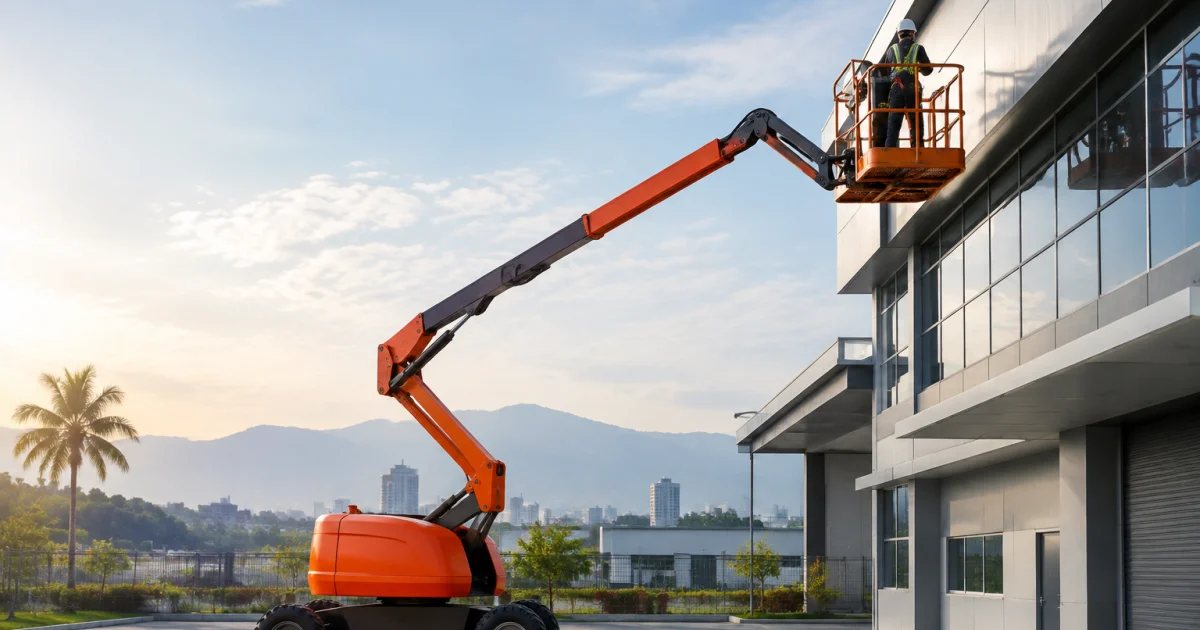
Scissor lifts are a type of MEWP (mobile elevating work platform). They mainly go straight up; boom lifts provide outreach. The inspection mindset is similar—power, controls, hydraulics, wheels/tyres, and safety devices—while components vary by model.
2) Before the machine arrives: job planning checks that save time
Many “machine issues” are actually site mismatch. Do these checks before delivery, or before moving your owned unit to a new site.
Confirm the work height and outreach needs
Scissor lifts provide vertical access. If you must reach over obstacles (canopies, ducts, conveyors), select an appropriate boom-type machine instead. Correct selection prevents leaning, overreaching, and unsafe improvisation.
Check ground conditions and access route
- Floor loading: confirm the slab/mezzanine can handle the lift plus people and materials, especially in older warehouses.
- Slope and level: use on firm, level surfaces; avoid soft ground, drains, voids, and weak covers.
- Route width/height: measure doorways, ramps, lift gates, turning space, plus overhead obstructions (pipes, cable trays, sprinklers, low beams).
Power and charging plan (electric units)
Electric scissor lifts depend on battery condition and correct charging. Plan where the machine will park to charge, confirm outlet type, and route cables safely. If the unit is unfamiliar, confirm the charger type/voltage and that the charger is included and working.
To see typical scissor lift configurations and parts ecosystems, browse scissor lifts.
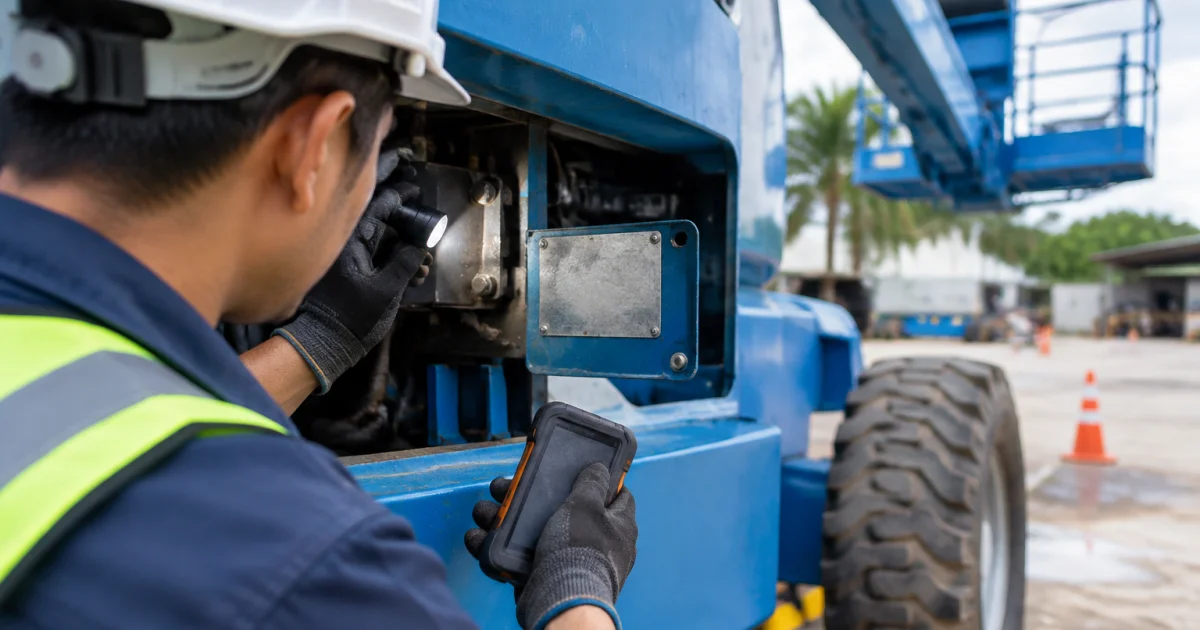
3) The walkaround inspection: a beginner checklist (5–10 minutes)
Do a slow 360° walkaround before start-up. For rentals, take photos of existing damage and inform the rental company before use.
Chassis and structure
- Guardrails and gate: verify rails are secure and the entry gate latches.
- Scissor pack and pins: check for bent members, missing pins/clips, and abnormal wear marks.
- Platform floor: remove oil/grease/debris to prevent slips.
Hydraulics: leaks and hose condition
Look under the machine and along cylinders and hose runs. Wet areas, drips, cracked hoses, or damaged fittings can worsen quickly under pressure. If found, do not operate—report for repair. “Finishing the job” with a leak often leads to sudden loss of function, contamination, and longer downtime.
Tyres/wheels and stability red flags
Check for cuts, chunking, flat spots, and loose wheel hardware. Tyre condition affects traction and floor protection, especially on epoxy floors. Tyre type (solid vs foam-filled) can also affect ride and durability—see Solid Vs Foam Fill Tires Whats Best For Boom And Scissor Lifts In Malaysia.
Battery compartment and cables (electric)
- Cables and terminals: check for corrosion, loose clamps, frayed insulation, and burn marks.
- Battery hold-downs: ensure batteries are secured to prevent movement and cable damage.
- Electrolyte (lead-acid): only check/top up if trained and equipped.
Decals, warnings, and manuals
Missing or unreadable load charts and warning labels make correct operation harder, especially for new users. Flag missing decals on rentals that rotate between sites.
4) Function tests: controls, emergency stops, and safe movement
After the walkaround, test functions in a clear area with the platform low. Keep people clear and communicate that you’re testing.
Ground controls and platform controls
Confirm the control selector works and that raise/lower, drive, and steer operate smoothly from the intended station. If inputs are laggy or intermittent, stop and investigate—common causes include switches, joysticks, wiring, or control modules.
For owners, keeping common electrical items on hand (switches, connectors, sensors, joystick-related components) can reduce downtime. This is a common reason people search for scissor lifts parts malaysia, especially with mixed fleets (Genie, JLG, Dingli).
Emergency stop (E-stop) and descent functions
- E-stop: verify it stops movement and resets correctly.
- Emergency lowering: locate and understand the manual/emergency descent system before anyone works at height.
Brakes and drive response
In an open area, check smooth start/stop and that the machine holds position. If it creeps, rolls, or brakes feel weak, do not use it at height. Depending on model, issues may be hydraulic or electrical.
Workshops may source model-specific components such as 00178100 Hydraulic Brake Genie Gs Scissor Lift for confirmed faults (always match by model and serial number).
Lift, lower, and drift check
Raise the platform slightly and hold. Listen for unusual noises and watch for jerky movement or drift, which can point to hydraulic, sensor, or control issues. Lower and confirm a smooth descent without sudden drops.
5) Readiness for a full shift: batteries, chargers, and common downtime triggers
A common Johor headache is a unit that works briefly, then slows or stops—often a power/charging issue rather than operator error.
Battery runtime basics
Electric units suit indoor work (quiet, no exhaust), but only if charging habits are correct. Confirm:
- Was it fully charged before delivery or today’s shift?
- Is there enough charging time between shifts?
- Is the battery type (lead-acid vs lithium) suitable for your usage?
Charger checks (often missed)
A charger can look normal yet charge poorly. If the battery gauge drops quickly, verify charger output and compatibility before blaming the batteries. The wrong charger can cause faults and shorten battery life.
Examples of model-specific chargers include Dingli 00000689 Battery Charger 24v 30a For Scissor Lifts 2 and Genie 105739 Battery Charger 24v 25a For Genie Scissor Lifts 2. Always match voltage, amperage, and connector style to the machine’s details.
Controls and sensors: why intermittent faults matter
Cut-outs, random beeps, or functions that work sometimes (drive but no lift, or vice versa) often trace to sensors, limit switches, harness wear, or control boards. Avoid repeatedly cycling power and continuing—intermittent faults can become total failures at the worst time.
For mixed-brand fleets (JLG, Genie, Haulotte, Skyjack, Dingli, Sinoboom), a simple routine helps: keep terminals clean, check harness routing, keep spare fuses/relays where applicable, and record fault codes for your technician.
6) When to stop work and call support (and what info to prepare)
Stop operation and isolate the machine if you notice:
- Hydraulic leaks, hose damage, or burning smells
- Unusual noises during lift/lower or drive/steer
- Weak brakes, rolling, or inability to hold position
- Intermittent controls, repeated fault alarms, or non-working E-stops
- Damaged guardrails, gate, or platform structure
To speed up troubleshooting with a rental provider or repair/parts support, prepare:
- Brand and model
- Serial number (key for correct parts)
- What happens and when (cold start vs after 1 hour)
- Photos/videos of leaks, wiring, tyres, or error displays (if safe)
This matters in Malaysia because fleets are diverse and similar-looking parts may not interchange. Accurate identification reduces downtime and repeat call-outs.
Conclusion: a simple routine that keeps Johor jobs moving
For first-time operators and small contractors, separate readiness into three layers: job planning (right machine for the site), a walkaround inspection (visible safety/mechanical issues), and a function test (controls, brakes, lift/lower, emergency stops). It takes minutes but helps prevent stoppages, surprises, and unsafe work at height.
If you coordinate multiple sites or rentals, keep a checklist on your phone and assign one person to sign off each shift. Over time, you’ll spot the wear items most likely to interrupt work—tyres, chargers, switches, hydraulic components—and plan spares or faster support.
For more guidance on keeping access equipment reliable across Malaysian worksites, see Top 5 Maintenance Tips For Boom Lifts And Scissor Lifts In Malaysia.
Frequently Asked Questions
What should I check first before using a rented scissor lift in Johor?
Start with site suitability (level ground, safe access route, and enough clearance), then do a 360° walkaround for leaks, tyre damage, missing guardrails, and loose cables. After that, run a short function test: emergency stop, lift/lower, drive/steer, and braking. If anything feels abnormal, stop and report it to the rental provider before you work at height.
How do I know if a scissor lift battery charger is compatible?
Match the charger to the machine’s battery system: voltage (for example 24V, 48V), charger output rating, and connector type. The safest approach is to confirm using the machine model and serial number, because different brands and models can use different charging profiles. Using the wrong charger can lead to poor charging, fault codes, or shortened battery life.
What are common reasons an electric scissor lift stops mid-job?
Common causes include partially charged or aging batteries, a charger that isn’t charging correctly, loose/corroded battery terminals, and intermittent electrical issues such as damaged wiring, limit switches, or sensors. If the machine consistently fails after a period of use, record the symptoms and any fault alarms so a technician can diagnose faster.
What tyre issues make a scissor lift unsafe to use?
Avoid using the lift if tyres have deep cuts, chunking, severe flat spots, or if wheel hardware is loose. Poor tyres can reduce traction and stability and may damage indoor floors. If you operate on mixed surfaces, consider tyre condition part of your daily pre-use inspection, not an occasional check.
What information should I provide when ordering scissor lift parts in Malaysia?
Provide the brand, model, and especially the serial number, plus photos of the old part and where it fits. Also describe the fault (for example, “lift function intermittent” or “brake weak”) and when it happens. This helps parts suppliers and technicians confirm compatibility across brands like Genie, JLG, Dingli, Skyjack, and Haulotte.
Need help getting your scissor lift ready for work?
SSL Access Parts supports Johor contractors, rental fleets, and workshops with scissor lift and boom lift spare parts—plus practical parts identification help using your model and serial number. If your pre-use checks find a problem (charger, joystick, sensor, hydraulic component, or tyres), we can help you confirm the right replacement so you can reduce downtime and get back on schedule.
Disclaimer Statement:
We hope you found this article helpful. Our content is intended for general informational purposes only and does not constitute advice or necessarily reflect the full range of services offered by SSL Access Parts Sdn. Bhd. While we strive to provide accurate and up-to-date information, we recommend consulting with an expert or referring to the manufacturer’s guidelines for specific advice or repairs. Any use of the equipment mentioned should comply with safety standards and regulations. SSL Access Parts Sdn. Bhd. is not liable for any actions based on the information provided and cannot guarantee the absence of errors or omissions.